
Managed IT services for nonprofits are outsourced technology operations delivered by a provider for a predictable monthly fee: user support, security, infrastructure, and software licensing, run by a dedicated team instead of hired in-house. For a 501(c)(3), the model exists to solve a specific tension: the organization depends on technology as much as any business its size, but every dollar spent on IT overhead is a dollar under scrutiny from the board, from funders, and from charity ratings.
That tension shapes everything about how a nonprofit should buy IT, and it is why the evaluation looks different than it does for a commercial company of the same headcount.
Why nonprofits outsource IT
The pattern that pushes a nonprofit toward outsourcing is almost always the same: the organization has grown past what an office manager, an accidental techie, or a single IT generalist can safely carry, but not to the size where a full internal IT department makes sense. The trigger is usually one of these:
- A security scare, an insurance questionnaire, or a funder’s due diligence request that nobody can answer confidently.
- The one person who knows the systems resigns.
- A finance or program leader realizes staff lose hours a week to technology problems that never get permanently fixed.
- An audit or grant requirement demands controls, documentation, and evidence the organization has never produced.
At that point the choice is the same one every mid-sized organization faces: hire two or more IT employees, or outsource to a provider. For most nonprofits, the salary math alone settles it. Two IT hires cost more than a managed services agreement, cover only business hours, and walk out the door with their knowledge when they leave.
What nonprofit IT support should include
A managed services agreement for a nonprofit should cover, at minimum:
- A staffed service desk your employees and volunteers can actually reach, with support that does not end at 5 PM if your programs do not.
- Security operations, not just security software: monitoring, response, identity protection, and email defense, run by people.
- Microsoft 365 administration and licensing management, including nonprofit pricing (more below).
- Backup and recovery that is tested, with your donor database and finance systems explicitly in scope.
- A named account relationship that handles planning and budgeting with your leadership, not just tickets.
Treat anything less, such as break-fix hourly support or a licensing reseller with a helpline, as a stopgap rather than a solution.
Microsoft licensing: nonprofits leave real money here
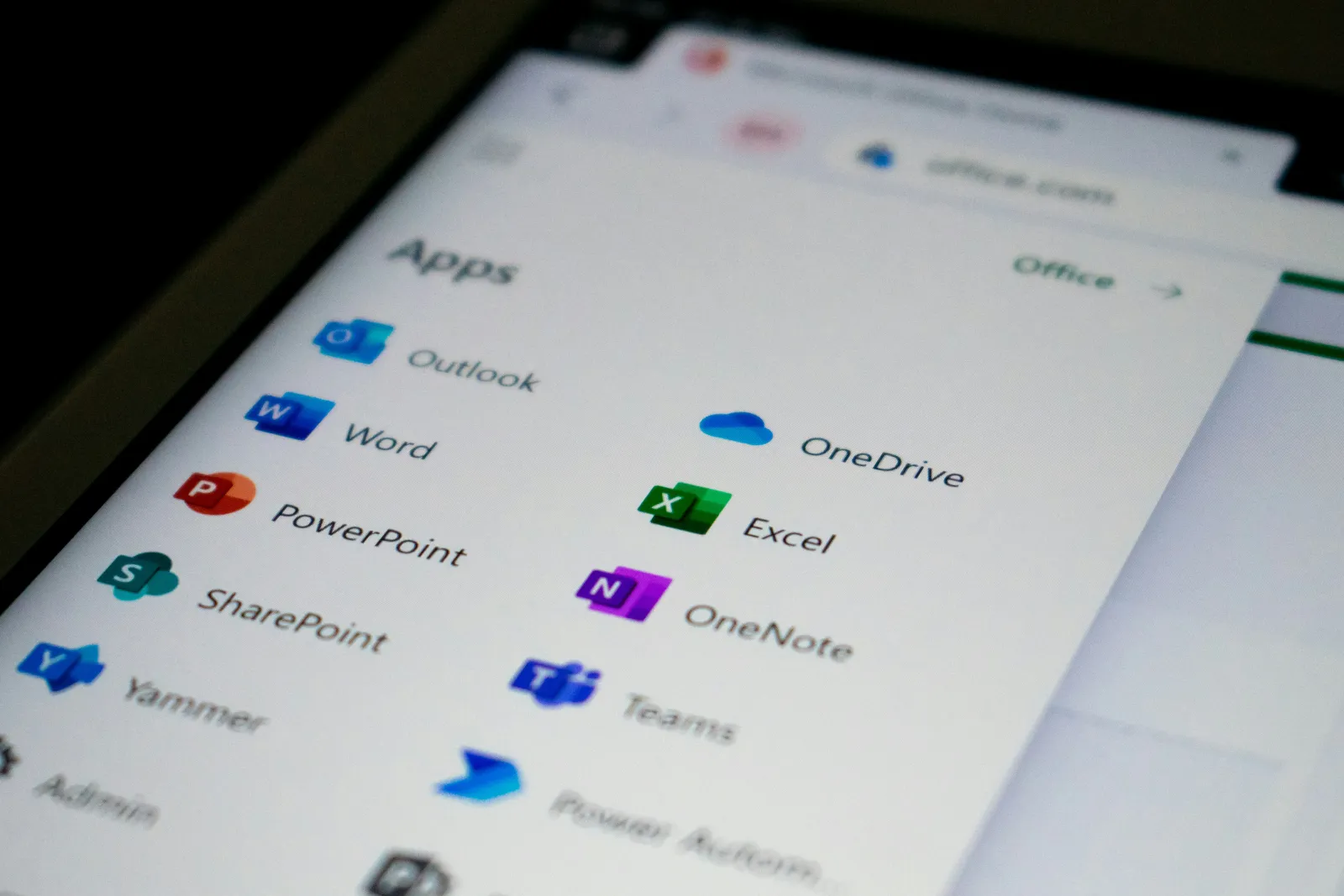
Microsoft offers discounted and granted licensing to eligible nonprofits through its nonprofit program, and in our experience many organizations either do not use it or use it badly: paying commercial rates, holding licenses for departed staff, or mixing granted and paid seats with no review. Licensing is one of the few places in a nonprofit budget where meaningful savings exist without cutting anything.
This is a place where the type of provider matters. A Cloud Solution Provider can hold and manage your Microsoft licensing directly, apply eligible nonprofit pricing, review utilization, and reclaim unused seats as part of the engagement. If licensing sits with a separate reseller, that optimization usually belongs to nobody.
Security: donor data is the crown jewel
Nonprofits are targeted precisely because attackers assume defenses are thin, and the assets are real: donor names and payment details, client and program participant records that can be highly sensitive, and finance systems that move grant money. A donor data breach is a mission problem, not just an IT problem, because trust is the asset a nonprofit actually runs on.
The baseline every nonprofit should have in place: multi-factor authentication everywhere, managed email security, endpoint protection with someone watching it, offboarding that actually removes access the day someone leaves, and security operations sized to the organization rather than to an enterprise. Cyber insurance applications now effectively mandate this list, so it doubles as insurability work.
What it costs, and how to budget it
Managed IT is priced per user per month, which is exactly the shape a nonprofit budget wants: predictable, scalable with headcount, and defensible to a board because the cost maps to people served rather than to surprise invoices. When comparing proposals, look past the monthly number to what is inside it: whether security operations are included or an add-on, whether licensing management is in scope, and what after-hours support actually costs.
One budgeting note worth raising with your finance team: technology spending that directly supports programs may be allocable to program costs rather than overhead, depending on how your organization accounts for functional expenses. Your auditor, not your IT provider, is the authority there, but it is worth the conversation.
How to choose a provider
The evaluation framework we published for Microsoft partners applies to nonprofit buyers too. Verify credentials rather than badges, ask for SLA definitions by priority, and ask specifically:
- How many nonprofit clients do you support today, and can we speak to one?
- Will you manage our Microsoft nonprofit licensing and review utilization on a schedule?
- What happens to our costs as we grow, shrink, or run seasonal programs?
- Who specifically answers when a program director calls at 7 PM during an event?
Where Virteva fits
Virteva is a Microsoft Solutions Partner and Cloud Solution Provider headquartered in Minnetonka, delivering managed IT services to mid-market organizations across Minnesota and nationwide, including nonprofits and foundations. We run a 24/7 service desk on ServiceNow, operate security on the Microsoft Defender stack, and manage Microsoft licensing, including nonprofit pricing, as part of the engagement rather than as a separate vendor relationship.
Apply the framework above to us the same way you would to anyone: verify our designations in Microsoft’s partner directory and ask for nonprofit references. If you want a structured starting point, our advisory team can assess your current environment against where a provider should take it.
Frequently asked questions
What are managed IT services for nonprofits? Managed IT services for nonprofits are outsourced technology operations, including user support, security, infrastructure, and Microsoft licensing management, delivered by a provider for a predictable per-user monthly fee. The model gives a 501(c)(3) a full IT operation at a cost lower than hiring an internal team.
When should a nonprofit outsource its IT? The usual threshold is when the organization has outgrown a single IT generalist but cannot justify a multi-person internal department, often between 50 and a few hundred staff. Common triggers are a security scare, the departure of the one person who knew the systems, or an audit or funder requirement demanding controls the organization cannot evidence.
Do nonprofits get discounted Microsoft licensing? Yes. Microsoft offers granted and discounted licensing to eligible nonprofits through its nonprofit program. Eligibility and terms change over time, so licensing should be reviewed by a Cloud Solution Provider that can apply nonprofit pricing and reclaim unused seats rather than left at commercial rates.
How much do managed IT services cost for a nonprofit? Pricing is typically per user per month and varies with the scope of security, support hours, and licensing included. The structural advantage for nonprofits is predictability: costs scale with headcount and can be budgeted annually, unlike break-fix support or surprise project invoices.